Section World
Gerardo Mérida Sánchez, ex–Sinaloa security secretary, arrested in Arizona in U.S. cartel conspiracy case
Federal prosecutors in Manhattan had already named Gerardo Mérida Sánchez in an April 2026 indictment alongside Sinaloa’s sitting governor and eight other Mexican officials when U.S. Marshals took him into custody after he crossed into Nogales, Arizona; he was later arraigned in New York and pleaded not guilty as Mexico’s cabinet confirmed Washington held him.
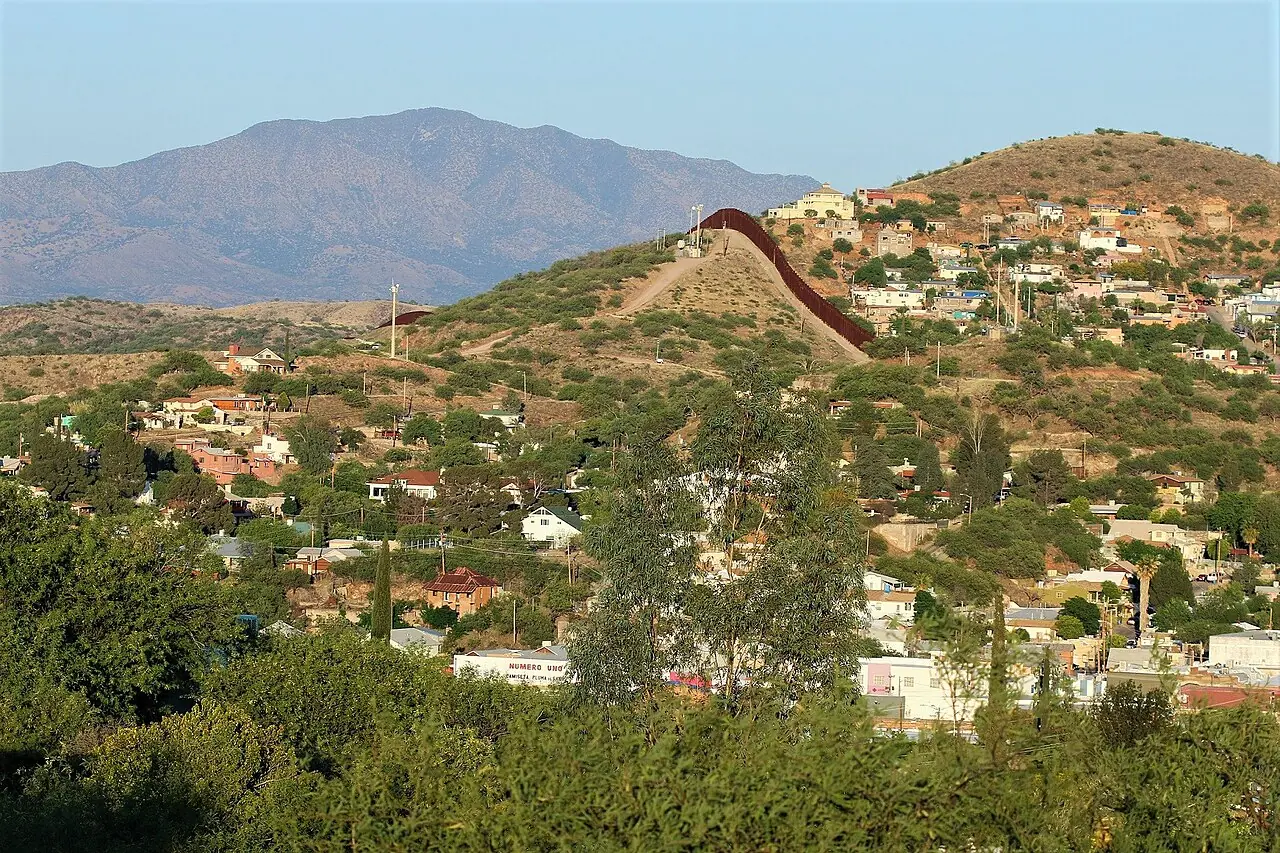
Gerardo Mérida Sánchez, 66, who led Sinaloa’s state public security secretariat from September 2023 until December 2024, was taken into U.S. custody in May 2026 after crossing at Nogales, Arizona, according to the Arizona Daily Star and parallel accounts from outlets including El País. Mexico’s federal security cabinet also acknowledged the detention on social media, telling reporters U.S. Marshals made the arrest once Mérida entered American territory—timing outlets tied to the Monday before a Friday 15 May appearance in Manhattan federal court.
Court dockets summarised by the Tucson paper said Mérida first saw a magistrate in southern Arizona, a busy hub for cross-border criminal cases, before transfer to the Metropolitan Detention Center in Brooklyn. At a brief Southern District of New York hearing he pleaded not guilty to a trio of felony counts, preserving the presumption of innocence while prosecutors prepare discovery on a sprawling narcotics and weapons conspiracy.
The ten-defendant indictment U.S. authorities unsealed in late April
On 29 April 2026, the U.S. Attorney’s Office for the Southern District of New York publicised charges against Sinaloa Governor Rubén Rocha Moya and nine other current or former Mexican officials, listing Mérida among them. The Justice Department narrative—still an allegation in court—describes a scheme to import large volumes of drugs into the United States while trading political cover and cash for cartel priorities.
Governor Rocha has denied wrongdoing and, at the time of the Nogales coverage, had not been extradited or arrested on the American charges.
NewsTenet will not collapse complex state–federal politics in Culiacán into a verdict: the indictment is the charging instrument; trials or pleas will determine which facts survive cross-examination.
What prosecutors claim Mérida did for the Sinaloa faction
Filings described in press summaries accuse Mérida of acting as a senior collaborator for “Los Chapitos,” the sons-of-Chapo wing of the Sinaloa Cartel, including allegedly taking on the order of $100,000 a month in bribes while tipping the organisation to raids on clandestine labs and leaning on state police to stay passive. If proved, that would mirror older “narco-política” templates U.S. grand juries have pursued against Mexican security officials for decades—only now with sitting governors named alongside uniformed retirees.
Defense lawyers have not, in the clips outlets quoted, conceded those facts; expect motions attacking jurisdiction, evidence chains, and witness credibility long before any jury hears the case.
Why Arizona matters symbolically even though New York owns the file
Nogales is both a commerce choke point and a trafficking corridor; federal agents there routinely stage arrests tied to SDNY or District of Arizona investigations even when Brooklyn prosecutors hold the indictment. Customs records, license-plate readers, and CBP inspection bays generate the metadata that will likely underpin venue fights if defense teams argue Mérida should not be tried alongside co-defendants who never touched U.S. soil.
What to watch next
Whether additional Sinaloa officials surrender, fight extradition, or remain fugitives will signal how much Mexico City coordinates with Washington after this public humiliation for a northwestern state whose governor was co-named in the same indictment. Congressional oversight of DEA and Marshals spending on protective moves for witnesses—already a theme in cartel trials—may also spike if cooperators emerge.
Geography and themes
Related places and recurring themes for this story.
Suggested reading
Other stories that pair well with this one—often from the same section or on overlapping themes.
Trump delays Iran strike after Gulf appeal
President Donald Trump said late on 18 May 2026 in Washington that he was postponing a U.S. military strike on Iran that had been scheduled for the following day after Qatar, Saudi Arabia, and the United Arab Emirates asked for time while diplomacy continued; he also told the armed forces to stay ready for a large-scale assault if talks fail.
Why America feels split—and why the world can’t agree on the United States
Census and World Bank population lines, Pew’s partisan and trust batteries, inequality in the World Bank Gini series, and Pew’s Spring 2024 global snapshot: one country’s domestic fracture sitting next to a median foreign public that still tilts favourable—just not everywhere.
Barney Frank Dies at 86, LGBTQ Trailblazer
He came out in Congress in 1987, chaired Financial Services through the 2008 crash, and helped steer Dodd-Frank before retiring in 2013; his sister confirmed his death to NBC Boston.
Trump-Backed Gallrein Ousts Massie in Kentucky
Ed Gallrein, backed by Donald Trump, ousted libertarian-leaning Rep. Thomas Massie in Kentucky's May 19 GOP primary for the 4th District—the costliest House primary on record.
Wyden: DOJ May Halt Trump IRS Audits
Senate Finance Chair Ron Wyden warns reported Justice Department settlement language could halt IRS audits of older Trump-family returns; CNN, ABC, the Post, and CNBC describe overlapping terms tied to the tax-leak lawsuit.
Brookings-linked modelling puts U.S.-citizen kids touched by parental ICE detention near 145,000 since the surge
ProPublica’s unpacking of a May 2026 Brookings exercise walks through Census-informed imputation against ICE arrest streams—far above what federal forms capture when parents fear disclosing citizen children—while parallel academic trackers still document the detention-and-removal machinery in administrative data alone.
House Democrats assail Trump’s IRS deal and $1.78 billion Anti-Weaponization Fund as a patronage slush lane
Jamie Raskin calls the vehicle unconstitutional; Pramila Jayapal says the president is exercising ‘open corruption’ in plain sight—while the Justice Department frames the payout as redress for weaponization and lawfare and points to older settlement precedents.
Thomas Massie news: Trump-backed Gallrein leads late KY-4 poll; Massie denies ‘hush money’ claim before primary
With Kentucky’s Republican primary for the 4th District set for 19 May 2026, a Quantus Insights survey of likely GOP voters put Ed Gallrein narrowly ahead of incumbent Thomas Massie while Axios-tracked ad spending blew past typical House races; Massie and Representative Victoria Spartz separately denied former aide Cynthia West’s election-week allegation of a $5,000 silence payment tied to a Spartz office dispute.
Chancellor Merz and President Trump hold 'reconciliatory' phone call after weeks of friction
The two leaders seek to move past a diplomatic rift over Iran and troop withdrawals, coordinating positions ahead of the NATO summit in Ankara.
Five key takeaways from President Trump's high-stakes China trip
From massive commodity purchases to the 'red lines' on technology, the Beijing summit of 2026 has reshaped the landscape of the world's most critical bilateral relationship.
Keep exploring
Browse the full archive or return to the front page.
Sources and external links
Sources and filings our editors consulted to verify this story. External links open in a new tab.