Section Health
RFK Jr. news digest: HHS “MAHA” plan targets psychiatric overprescribing with deprescribing push
Health and Human Services Secretary Robert F. Kennedy Jr. used a May 2026 MAHA Institute summit to launch a cross-agency action plan—Dear Colleague guidance, CMS payment clarification for deprescribing, and a summer webinar stack—while major medical societies split between welcoming research dollars and warning that overmedicalization framing could underplay access gaps.
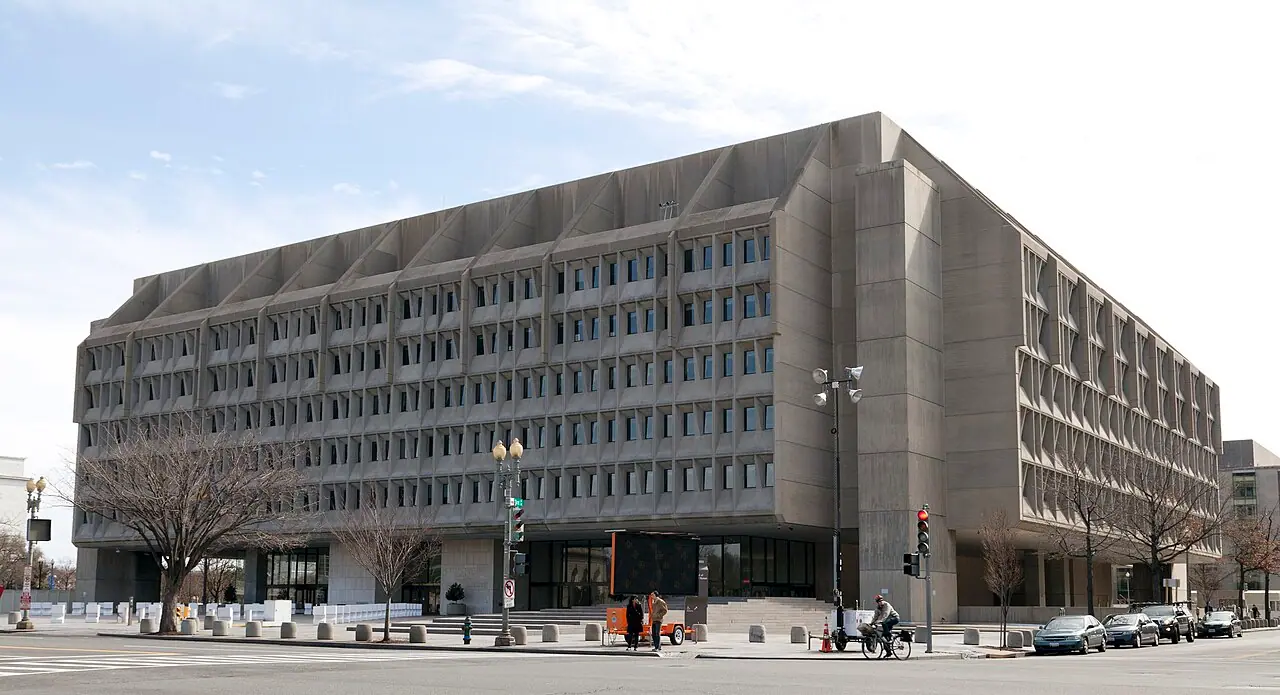
On 4 May 2026, the U.S. Department of Health and Human Services issued a formal press package announcing a Make America Healthy Again-branded action plan to curb what Secretary Robert F. Kennedy Jr. described as psychiatric overprescribing, with special emphasis on children.
Speaking as closing speaker at a MAHA Institute summit on mental health and overmedicalization, Kennedy said HHS would “support patient autonomy, require informed consent and shared decision-making, and shift the standard of care toward prevention, transparency, and a more holistic approach to mental health.”
The published plan sketches three pillars—education and outreach, program and policy levers, and research-to-practice bridges—and pairs them with tangible artifacts: a SAMHSA Dear Colleague letter encouraging routine risk–benefit reviews and billing attention for non-medication therapies such as psychotherapy, nutrition, and exercise; CMS guidance clarifying how clinicians can be paid under Medicare for deprescribing conversations; and a summer calendar of webinars plus a July technical expert panel to draft formal HHS clinical guidance on tapering when benefit is unclear.
What organised medicine said back
CNN’s follow-on reporting captured split psychology within psychiatry: leaders acknowledged the need for better deprescribing science while resisting a sole narrative of overmedication. American Psychiatric Association president Dr. Theresa Miskimen Rivera told CNN the association supports further investment, research, and training on prescribing decisions yet took issue with portraying mental health primarily as an overmedicalization problem because it “oversimplifies” workforce shortages, psychiatric bed scarcity, and uneven access to therapy.
Practicing clinicians quoted in the same piece echoed a balanced pharmacologic mantra—watch both over- and **under-**prescribing—and warned patients not to stop medicines abruptly without physician oversight, a harm-reduction line HHS’s own release echoed by pointing readers to 988 crisis services.
Policy mechanics readers should track before headlines harden
Whether the initiative measurably changes NDC volumes will depend less on summit rhetoric than on CMS coverage edits, Medicaid state plan letters, FDA label-driven taper schedules, and NIH trial start-up timelines referenced in the HHS communiqué. SAMHSA’s promised prescribing-trend report—due within weeks of the announcement—will become the first public benchmark against which journalists can test claims about pediatric exposure rates.
Skeptical oversight will also focus on privacy and disability-rights guardrails if electronic health-record prompts nudge tapering across entire panels rather than individualized decisions.
Parallel thread: vaccine oversight reporting
Outside the psychiatric bundle, investigative outlets have separately documented intra-HHS workstreams re-examining vaccine safety surveillance—stories that carry distinct evidentiary standards from deprescribing pilots and should not be collapsed into one omnibus “anti-science” or “pro-reform” label without reading each document trail.
Readers treating “RFK Jr. news” as a single headline should disaggregate operational memos, NIH protocol amendments, and political speech: each channel moves on its own docket clock.
Geography and themes
Related places and recurring themes for this story.
- United States
- Health
- Politics
Suggested reading
Other stories that pair well with this one—often from the same section or on overlapping themes.
Mayo Clinic validation work shows REDMOD AI spotting pancreatic cancer on CTs far ahead of usual reads
Decrypt’s April recap of the landmark study highlights up to a three-year lead in select cases; oncology trade write-ups of the same paper pin median detection near 475 days with 73% sensitivity versus roughly 39% for pooled radiologists on identical prediagnostic scans.
DR Congo Ebola surge: six Americans exposed, one symptomatic, as WHO declares international emergency
The eastern Ituri outbreak is tied to Bundibugyo virus disease—no approved vaccine or drug for that species; CBS-linked sources told the BBC six US citizens were exposed and one may have symptoms, while the CDC weighs safe withdrawal and tighter border screening.
Barney Frank Dies at 86, LGBTQ Trailblazer
He came out in Congress in 1987, chaired Financial Services through the 2008 crash, and helped steer Dodd-Frank before retiring in 2013; his sister confirmed his death to NBC Boston.
Trump-Backed Gallrein Ousts Massie in Kentucky
Ed Gallrein, backed by Donald Trump, ousted libertarian-leaning Rep. Thomas Massie in Kentucky's May 19 GOP primary for the 4th District—the costliest House primary on record.
Wyden: DOJ May Halt Trump IRS Audits
Senate Finance Chair Ron Wyden warns reported Justice Department settlement language could halt IRS audits of older Trump-family returns; CNN, ABC, the Post, and CNBC describe overlapping terms tied to the tax-leak lawsuit.
Trump delays Iran strike after Gulf appeal
President Donald Trump said late on 18 May 2026 in Washington that he was postponing a U.S. military strike on Iran that had been scheduled for the following day after Qatar, Saudi Arabia, and the United Arab Emirates asked for time while diplomacy continued; he also told the armed forces to stay ready for a large-scale assault if talks fail.
Brookings-linked modelling puts U.S.-citizen kids touched by parental ICE detention near 145,000 since the surge
ProPublica’s unpacking of a May 2026 Brookings exercise walks through Census-informed imputation against ICE arrest streams—far above what federal forms capture when parents fear disclosing citizen children—while parallel academic trackers still document the detention-and-removal machinery in administrative data alone.
House Democrats assail Trump’s IRS deal and $1.78 billion Anti-Weaponization Fund as a patronage slush lane
Jamie Raskin calls the vehicle unconstitutional; Pramila Jayapal says the president is exercising ‘open corruption’ in plain sight—while the Justice Department frames the payout as redress for weaponization and lawfare and points to older settlement precedents.
Why America feels split—and why the world can’t agree on the United States
Census and World Bank population lines, Pew’s partisan and trust batteries, inequality in the World Bank Gini series, and Pew’s Spring 2024 global snapshot: one country’s domestic fracture sitting next to a median foreign public that still tilts favourable—just not everywhere.
Thomas Massie news: Trump-backed Gallrein leads late KY-4 poll; Massie denies ‘hush money’ claim before primary
With Kentucky’s Republican primary for the 4th District set for 19 May 2026, a Quantus Insights survey of likely GOP voters put Ed Gallrein narrowly ahead of incumbent Thomas Massie while Axios-tracked ad spending blew past typical House races; Massie and Representative Victoria Spartz separately denied former aide Cynthia West’s election-week allegation of a $5,000 silence payment tied to a Spartz office dispute.
Keep exploring
Browse the full archive or return to the front page.
Sources and external links
Sources and filings our editors consulted to verify this story. External links open in a new tab.
- HHS Launches MAHA Action Plan to Curb Psychiatric Overprescribing (HHS.gov press release, 4 May 2026) (opens in a new tab)— U.S. Department of Health and Human Services